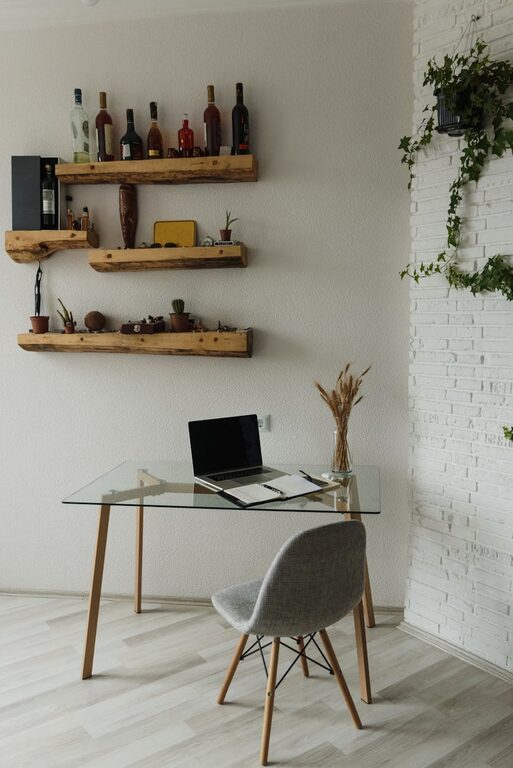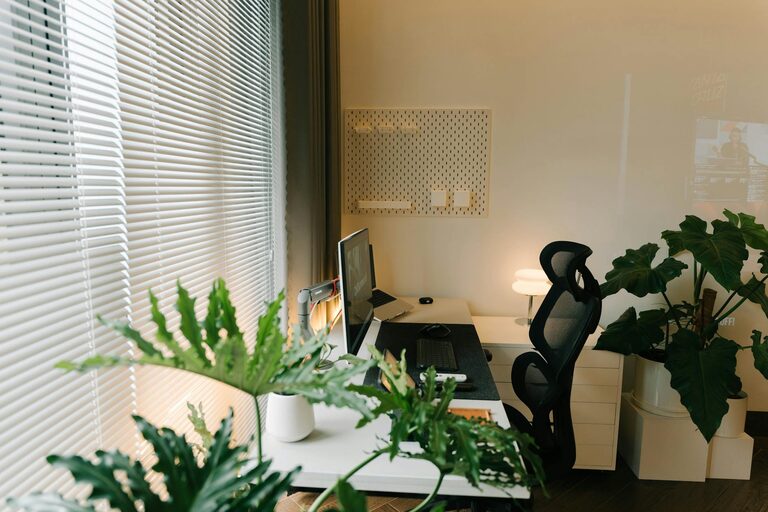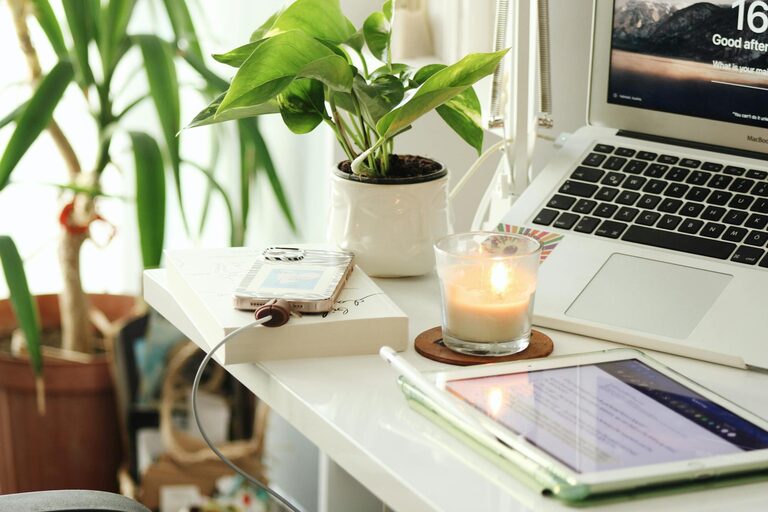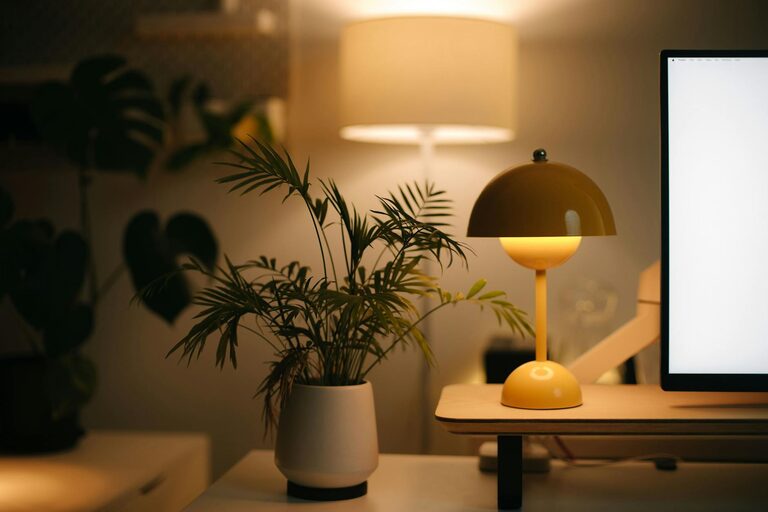
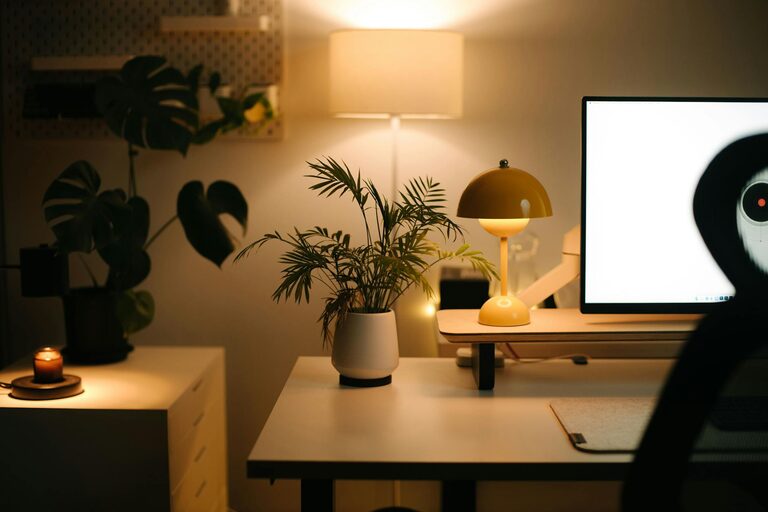
Creating a home office that is both cozy and productive can make a big difference in how you feel and work throughout the day. When your workspace feels inviting and is designed for efficiency, you’re more likely to stay motivated and complete tasks with ease. Whether you have a dedicated room or just a small corner, there are plenty of ways to make your home office comfortable and functional. Here are some expert tips to help you build the perfect space.
1. Choose the Right Location
Finding the right spot in your home for your office is the first step. Ideally, pick a quiet area with minimal distractions. Natural light is another important factor; a spot near a window can boost your mood and help reduce eye strain. If a separate room isn’t available, use dividers or screens to visually separate your office from the rest of the living space.
Key points:
– Look for a quiet, low-traffic area
– Prioritize natural lighting
– Use room dividers if necessary
2. Invest in Ergonomic Furniture
Comfort is crucial for productivity. An ergonomic chair that supports your back and encourages good posture helps prevent discomfort during long work hours. Pair it with a desk at the right height to avoid strain on your wrists and neck. Adjustable furniture lets you tailor your setup as needed.
Suggestions:
– Choose a chair with adjustable height and lumbar support
– Opt for a desk with enough surface space for your equipment
– Consider a standing desk or sit-stand converter for movement options
3. Organize with Purpose
A cluttered space can affect your focus. Keep your office tidy by using smart storage solutions such as shelves, drawers, and organizers. Label containers for office supplies to quickly find what you need. A clean environment makes work feel less overwhelming and helps maintain a clear mind.
Tips for organization:
– Use vertical storage to save floor space
– Keep frequently used items within reach
– Regularly declutter your workspace
4. Optimize Lighting
Proper lighting reduces eye fatigue and helps maintain energy levels. Combine natural light with layered artificial lighting for the best effect. Desk lamps with adjustable brightness or color temperature can be handy for tasks requiring focus, such as reading documents or detailed work.
Lighting ideas:
– Place your desk near a window to benefit from daylight
– Use warm ambient lighting to make the space cozy
– Add a task lamp with adjustable settings for focused work
5. Personalize Your Space
Adding personal touches makes your home office feel inviting. Choose artwork, plants, or decorative items that make you happy without overwhelming the space. Plants in particular can improve air quality and reduce stress, creating a soothing atmosphere.
Personalization tips:
– Add one or two pieces of art or inspiring quotes
– Include a few easy-care plants like succulents or pothos
– Keep décor minimal to avoid distractions
6. Maintain Good Air Quality and Temperature
A comfortable temperature and fresh air boost concentration. If possible, open a window or use a fan to keep fresh air circulating. Adjust your thermostat so it’s not too hot or too cold. Adding an air purifier or some greenery can also improve overall air quality.
Considerations:
– Use fans or air purifiers if windows can’t be opened
– Keep a small blanket or heater nearby for cooler days
– Avoid strong scents that might be distracting
7. Set Up Technology Efficiently
Make sure your technology supports your workflow. Invest in a reliable internet connection and ergonomic peripherals like a wireless keyboard and mouse. Cable management tools can help keep cords tidy and avoid clutter.
Tech tips:
– Use a headset or noise-canceling headphones to reduce distractions
– Keep chargers and cables organized with clips or sleeves
– Position monitors at eye level to reduce neck strain
8. Establish Boundaries and Routines
To stay productive, set clear work hours and boundaries within your home. Communicate your schedule with family or housemates. Create a morning routine in your home office to signal the start of your workday. A well-planned routine helps to mentally separate work from relaxation time.
Ideas for boundaries:
– Use “Do Not Disturb” signs when working on focused tasks
– Schedule regular breaks and stretch often
– End your day by tidying your desk to mentally close work
Conclusion
Designing a cozy and productive home office doesn’t require a huge budget or extra space—just thoughtful planning and small changes. Prioritize comfort, organization, good lighting, and personalization to create a welcoming environment where you enjoy spending time. With the right setup, your home office can become your favorite and most effective workspace.
Remember, the best home office is one that fits your unique needs and style. Take time to experiment and adjust until you find what works best for you. Happy working!
About the Author