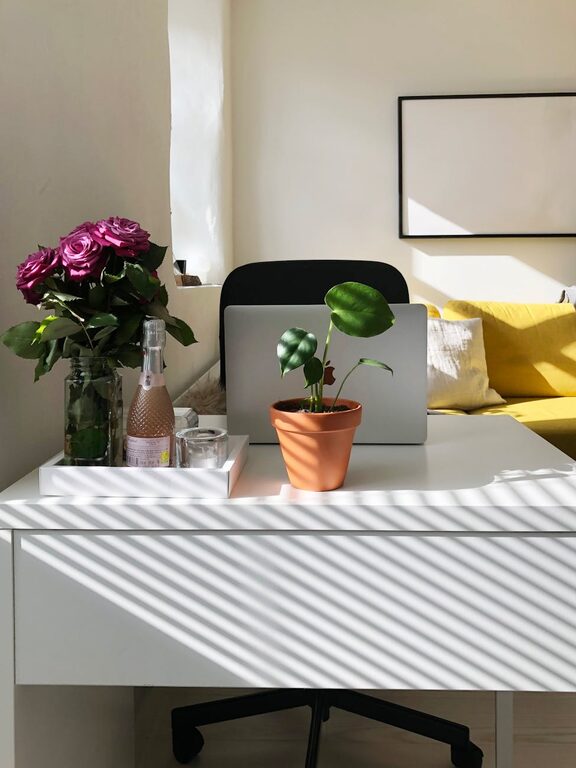
Creating a home office that feels both cozy and functional can significantly improve your work experience, motivation, and overall well-being. Whether you work remotely full-time or occasionally take your work home, having a dedicated, comfortable space helps separate work from personal life and boosts productivity.
In this post, we’ll guide you through practical tips to design a home office that meets your work needs while embracing warmth and comfort.
Choose the Right Location
Before adding furniture or decorations, find the best spot in your home for your office.
– Natural Light: A space near a window is ideal. Natural daylight improves mood and reduces eye strain.
– Quiet Area: Select a quieter part of the house where distractions are minimal.
– Space Size: Ensure you have enough room for your desk, chair, storage, and some extra breathing space. Even a small nook can work with the right setup.
Invest in Ergonomic Furniture
Comfort is key for long hours at your desk. Ergonomic furniture supports your body and prevents discomfort.
– Ergonomic Chair: Choose a chair that supports your back, promotes good posture, and adjusts to your height.
– Desk Height: Your desk should fit your working style, whether you prefer sitting or standing. Adjustable desks offer flexibility.
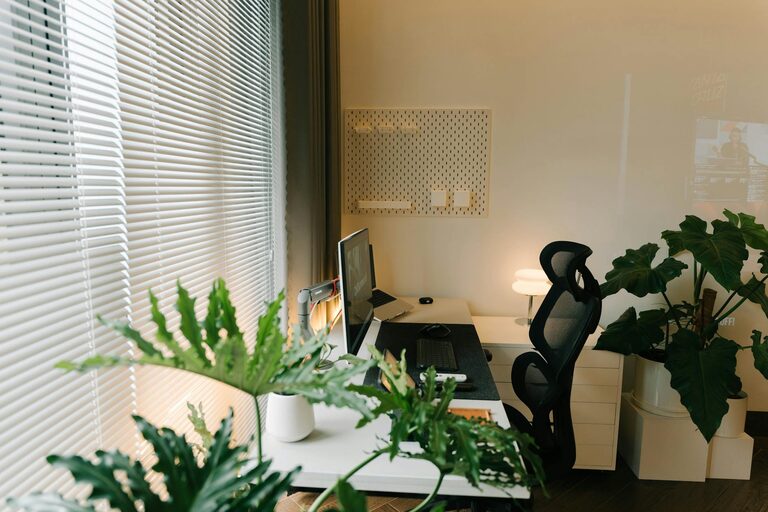
– Keyboard and Monitor Placement: Position your keyboard and monitor to avoid strain—your monitor should be at eye level, and your keyboard at a comfortable height.
Organize with Smart Storage Solutions
A cluttered workspace can be distracting. Smart storage helps keep essentials within reach while maintaining tidiness.
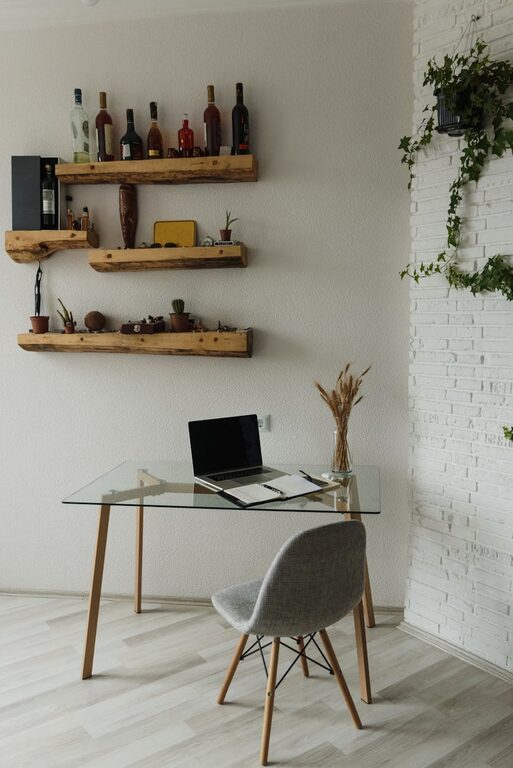
– Shelving: Wall-mounted shelves save floor space and keep files or books accessible.
– Drawers and Bins: Use storage drawers, baskets, or bins to group supplies and documents.
– Cable Management: Tame cords with cable clips, sleeves, or boxes to keep cables organized and out of sight.
Personalize Your Space
Add elements that make your workspace inviting without causing distractions.
– Colors: Choose calming colors like soft blues, greens, or neutrals to create a relaxing atmosphere.
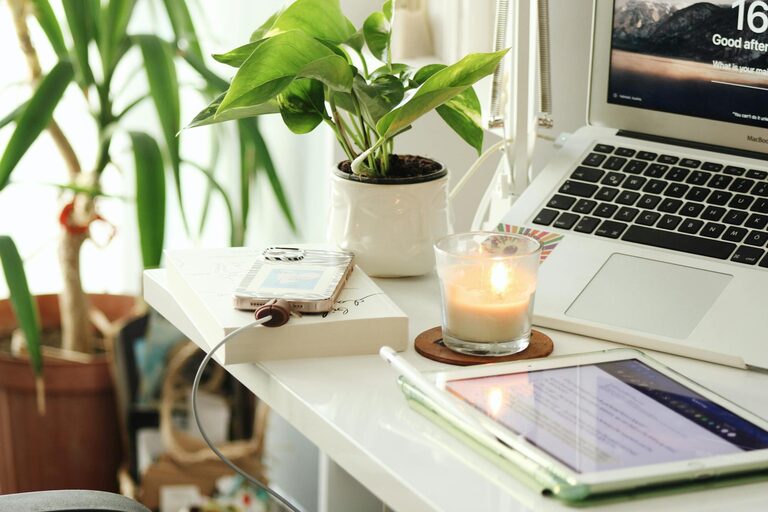
– Plants: Indoor plants improve air quality and add a natural touch.
– Artwork and Photos: Display inspiring artwork or family photos to make the space feel personal.
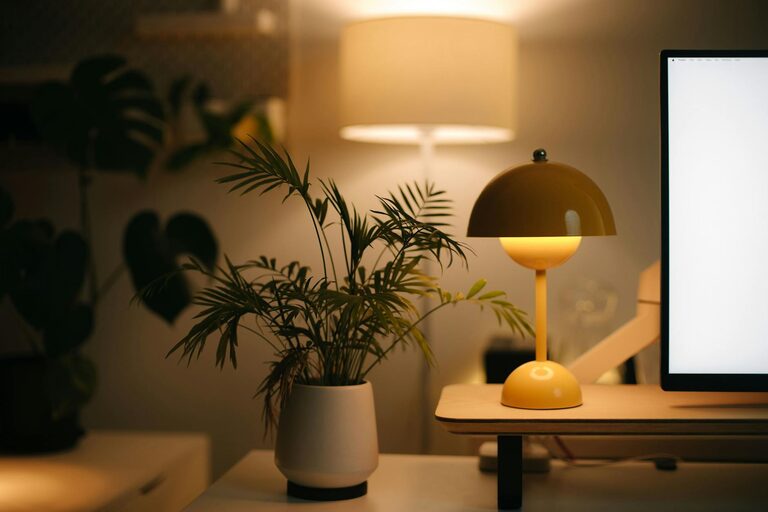
– Lighting: Along with natural light, use adjustable task lighting like desk lamps to reduce eye strain during darker hours.
Optimize for Productivity
Design your home office to support focus and efficiency.
– Minimal Distractions: Keep your workspace dedicated to work by minimizing entertainment devices nearby.
– To-Do Boards: Use whiteboards, corkboards, or planners to track tasks and deadlines.
– Technology Setup: Invest in reliable Wi-Fi, a good-quality webcam, microphone, and other tools essential for your work.
– Break Area: If space allows, include a small corner or chair for quick breaks away from the desk to rest your mind.
Maintain a Routine and Keep it Clean
Once your space is set up, regular habits will help keep it functional.
– Daily Clean-up: Spend a few minutes each day tidying your desk and organizing papers.
– End-of-Day Ritual: Close your work session by shutting down devices and putting away work materials to mentally separate work and home life.
– Regular Updates: Periodically reassess your setup and make adjustments as your needs or preferences change.
—
Creating a cozy and functional home office takes some planning but the benefits to your comfort and productivity are well worth it. By carefully selecting your location, furniture, organization, and decor, you’ll have a workspace that supports your daily tasks and feels like a pleasant place to be. Happy working!
About the Author